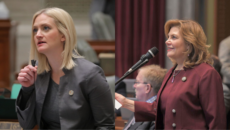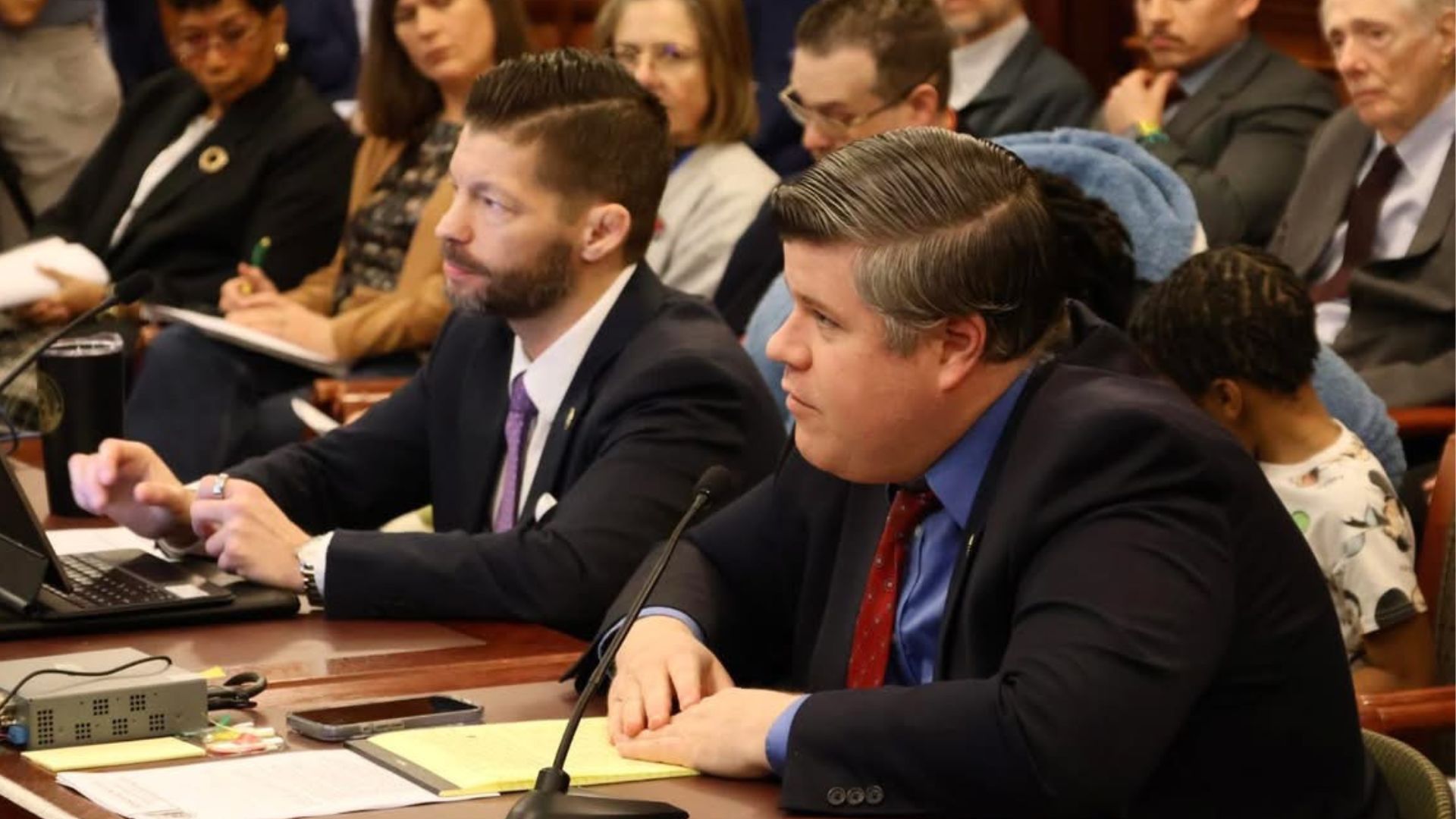
Missouri lawmakers debated a proposal this week to overhaul the state’s school accountability system, creating an annual report card with a simpler A–F grading scale designed to make performance clearer to parents, educators, and taxpayers. This is on the heels of an executive order calling for the same from Governor Mike Kehoe.
Supporters framed the change as a transparency tool, one that elevates what’s working, helps the state learn from high-growth schools, and surfaces where additional support is urgently needed.
“This gives more incentives to schools to do better,” Sen. Curtis Trent said during the hearing. “This is not a funding issue. The incentive is not money, but the success of the school.”
Why growth-focused letter grades matter
The proposal’s central argument is that transparent letter grades, especially when grounded heavily in academic growth, create a shared, easy-to-understand signal about whether schools are moving students forward. In practice, proponents say, that clarity helps communities do two things at once:
- Identify and learn from schools that are beating the odds, where students are making unusually strong progress year over year; and
- Spot schools that are not improving, so support, interventions, and leadership attention can be targeted before more students fall behind.
Advocates also argue the model strengthens family engagement by replacing dense reports with a signal parents recognize. Supporters emphasized that parents understand A–F grades in plain terms, and want school performance information that is equally plain.
That idea is consistent with a broader concern voiced by civic leaders and legislators based on the last school reports released by DESE: when state reports indicate most schools are “meeting expectations” while many children struggle with foundational reading and math, trust erodes. Clear report cards, supporters argue, help rebuild trust by giving families straightforward information they can use to partner with educators and advocate for proven solutions.
What the bill would do
The legislation would create simple letter grades that sit alongside the current Missouri School Improvement Program (MSIP) accountability framework. The proposal also effectively turns the Governor’s executive order into statute, locking in the requirement for transparent, growth-forward letter grades beyond any single administration.
Notably, the grading formula places a substantial emphasis on growth measures. For K–8 schools, the proposal would weight academic achievement at 40%, value-added growth at 30%, and growth to proficiency at 30%. High school grades would combine achievement, growth, and college-and-career indicators.
Supporters say that weighting is intentional: a growth-forward system is meant to ensure schools serving students who start behind can still earn strong grades when they produce exceptional progress, while also making clear whether students are on track to reach grade-level expectations. Each school and district would receive an A–F grade with grades publicly released on DESE’s website and required to be posted prominently by schools.
Lessons from other states
Supporters pointed to reforms in Mississippi and Louisiana, arguing that transparency and growth-centered accountability helped align policy and practice around whether students are learning.
“Clear accountability systems work best when they focus everyone on what matters for students. For Mississippi, transparency was about aligning policy, leadership, and classroom practice around whether children are actually learning to read and do math at grade level,” said Rachel Canter, founder of Mississippi First and director of education policy at the Progressive Policy Institute. “When families, educators, and policymakers can see the same information and trust it, schools are better able to improve and sustain that improvement over time.”
Even as most states, including Missouri, remain below pre-pandemic performance, Louisiana is one of the rare states to exceed its 2019 fourth-grade reading score, and Mississippi has recorded nation-leading long-term gains, progress advocates attribute in part to clear, public accountability that spotlights high-growth schools and pressures the system to learn from them.
Show Me Success program and ongoing debate
The bill would also create the Show Me Success Program, a performance-based award for schools in the top tiers statewide if funding is available. Some critics argue incentives could favor wealthier communities, but supporters say the model is built to avoid that because grades are weighted heavily toward academic growth. In other words, any district can earn top marks by moving students forward quickly, regardless of starting point, making the program about progress, not privilege.
Opponents testified that the system may oversimplify school performance and that out-of-school factors weigh heavily on outcomes. Supporters responded that those realities are precisely why the state needs an honest, comparable measure of whether students are improving academically, and a public signal that helps target support and spread effective practice.
What’s next
The bill remains in committee. But the hearing signals a renewed push at the Capitol to shift Missouri’s accountability conversation toward clear public reporting and academic growth, with supporters arguing that transparent letter grades help Missouri identify what’s working, confront what isn’t, and equip parents with information to engage earlier and more effectively.