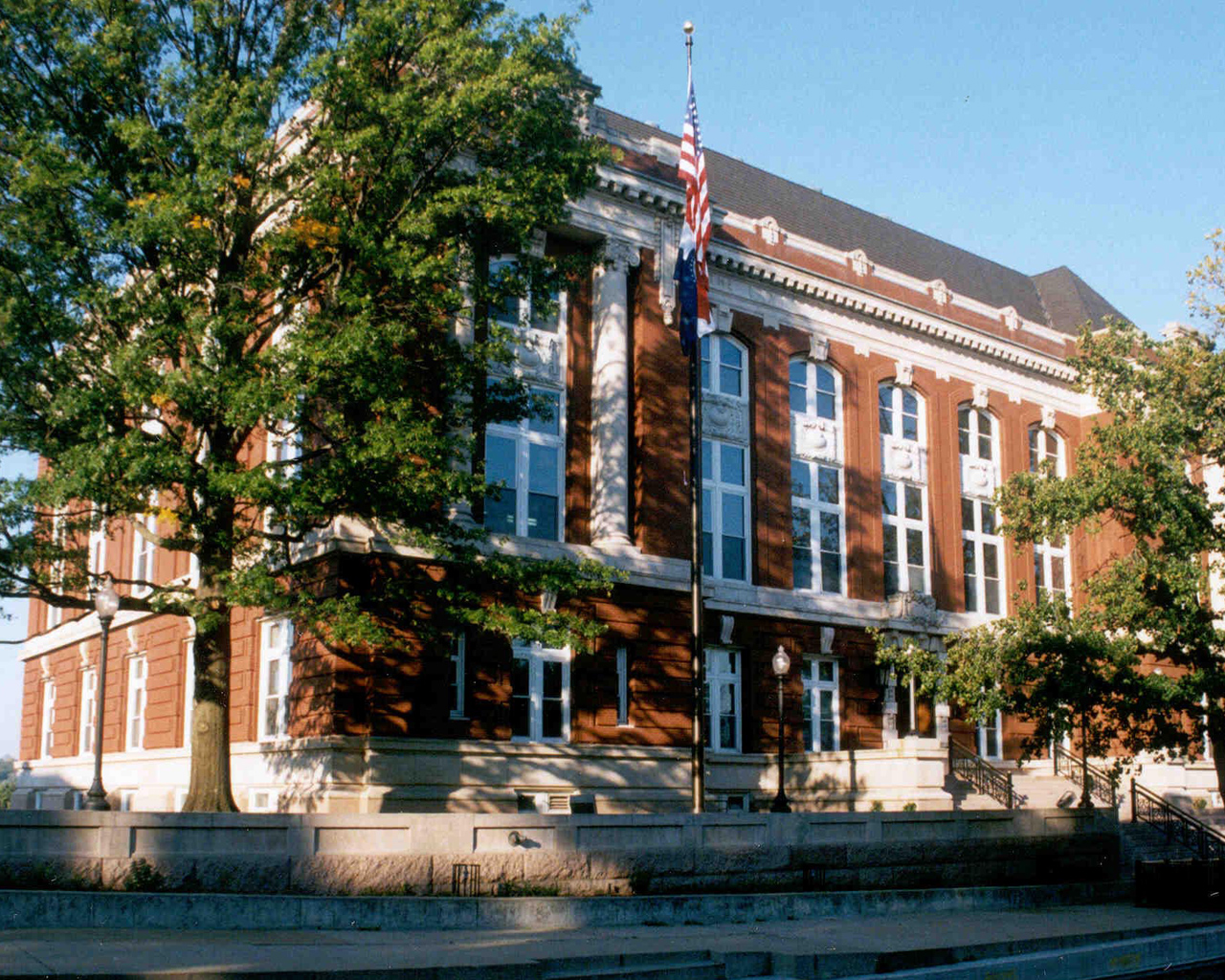
The Missouri Supreme Court on Thursday ordered Secretary of State Denny Hoskins to place a referendum challenging the state’s new congressional map on the November ballot, ruling unanimously that Missouri voters have the constitutional authority to approve or reject congressional redistricting legislation.
The court reversed a Cole County Circuit Court ruling and ordered Hoskins to certify referendum petition 2026-R004 as sufficient and place it on the November 2026 ballot by Sept. 8. The court also barred the state from using the congressional map created by House Bill 1 unless voters approve the legislation.
The decision means the 2022 congressional map remains in effect for the November election unless voters approve HB 1. The redistricting legislation, passed by the General Assembly during a special session in September 2025, repealed the existing districts and established a new congressional map.
The referendum organizers submitted more than 300,000 signatures to Hoskins on Dec. 9, 2025, before HB 1’s Dec. 11 effective date. Hoskins did not reject the referendum until Aug. 4, 2026, when he issued a certificate declaring it insufficient because, in his view, the Missouri Constitution did not authorize a referendum on congressional redistricting.
The Supreme Court rejected that argument.
Article III, Section 49 of the Missouri Constitution reserves to voters the power to approve or reject by referendum “any act of the general assembly.” The court concluded HB 1 qualifies as such an act and that Missouri’s Constitution does not carve congressional redistricting out of the referendum process.
The court also pointed to an important distinction in Missouri’s Constitution. Redistricting plans for the state House and Senate drawn by the redistricting commissions are specifically exempt from referendum. There is no comparable exemption for congressional districts drawn by the General Assembly.
The court rejected arguments that congressional redistricting should be treated as an election law exempt from referendum or that other constitutional exceptions applied. HB 1 did not contain an emergency clause, and the court found no basis for removing the legislation from voters’ referendum authority.
The justices also relied on U.S. Supreme Court precedent recognizing that congressional redistricting remains subject to a state’s constitutional lawmaking procedures, including referendum rights.
2022 Map Remains in Place
Because the referendum petition was filed before HB 1’s effective date, the Supreme Court ruled the legislation never took effect.
“If the petition is sufficient, HB 1 never took effect,” the court wrote, later emphasizing that HB 1 “is not the law and has never been the law.”
If voters approve HB 1, the new map will take effect 30 days after the election. If voters reject it, the 2022 congressional map remains the governing map.
The court also criticized Hoskins’ handling of the referendum, noting that he waited until the final day of the statutory deadline, Aug. 4, to issue his certificate. The justices rejected arguments that uncertainty surrounding the map and the potential costs of changing election preparations justified rejecting the referendum.
Court Dismisses Separate Signature Challenge
The Supreme Court issued a second ruling Thursday involving the same referendum effort, but declined to resolve a separate dispute over when referendum signatures may be collected.
People Not Politicians and Richard von Glahn had challenged Hoskins’ refusal to verify or count approximately 102,800 signatures gathered before Kehoe signed HB 1 or before Hoskins approved the petition form.
Organizers had collected approximately 32,600 signatures before Kehoe signed the legislation on Sept. 28, 2025, and another 70,200 before Hoskins approved the petition form on Oct. 14.
The Cole County Circuit Court had ruled in Hoskins’ favor on that issue. But the Supreme Court vacated that judgment and dismissed the case as moot.
The court noted that Hoskins’ Aug. 4 decision to reject the referendum was not based on the number of signatures. By doing so, the secretary effectively conceded the petition contained enough constitutionally valid signatures, eliminating the dispute over the approximately 102,800 signatures collected during the earlier periods.
The court therefore declined to decide whether referendum proponents may legally collect signatures before a governor signs legislation or before the secretary of state’s office approves the petition form.
The organizers had argued the question needed to be resolved because similar disputes could arise in future referendum campaigns. The Supreme Court concluded future proponents have other avenues to challenge signature disputes and that the issue was unlikely to evade appellate review in a way that would impair future referendum rights.
The Supreme Court’s two decisions leave the immediate question of the congressional map settled: the referendum will go before Missouri voters in November, and the 2022 map remains in effect unless voters approve HB 1.
All judges concurred in both decisions.

Jake Kroesen serves as the Editor of the Missouri Times. He hails from Independence, Missouri and enjoys all things Jackson County. A graduate of UCM, he obtained his degree in Political Science.
Discover more from The Missouri Times
Subscribe to get the latest posts sent to your email.