A new state audit is raising serious questions about how the City of Arnold and its transportation development districts have operated for nearly two decades, alleging conflicts of interest, misuse of tax dollars, and a pattern of decisions that kept the public in the dark.
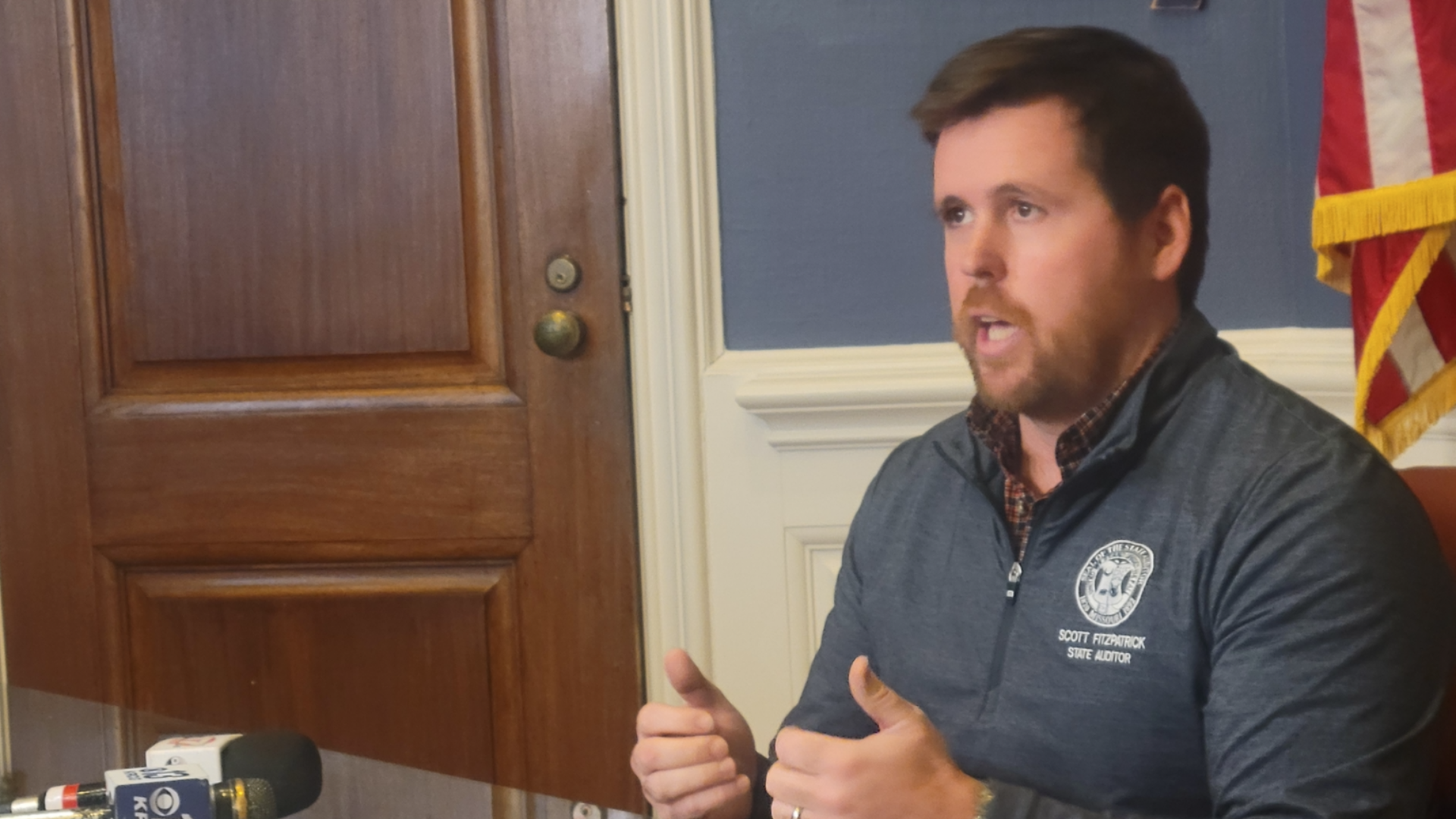
The report, released by State Auditor Scott Fitzpatrick, commonly known as Fitz, examined the Arnold Retail Corridor Transportation Development District (ARC TDD) and the Arnold Triangle Transportation Development District after whistleblower complaints prompted a formal investigation. Auditors said those complaints were credible and ultimately uncovered systemic issues in how the districts were structured and managed.
Conflicts of Interest and Use of TDD Funds
At the heart of the findings is the conclusion that Arnold officials used the TDD, a tool intended to fund transportation projects, as a vehicle to advance broader city development priorities.
Auditors found that district sales tax revenues were used to pay down city tax increment financing (TIF) debt and to acquire property outside district boundaries, actions they say are not permitted under state law. From 2009 through 2025, the ARC TDD directed roughly $3.3 million toward city TIF obligations without providing a benefit to the district itself.
The report also details how the districts were structured in a way that ensured city control. Boards for both TDDs were made up entirely of city officials, with no representation from residents or independent property owners, a setup auditors say allowed decisions to consistently prioritize city interests over taxpayers funding the district.
Connector Road Project Raises Viability Questions
A significant portion of the audit focuses on the long-discussed connector road project, which has been used to justify the continued existence of the ARC TDD and its sales tax.
Despite years of planning and millions in revenue, auditors found no defined route, no construction timeline, and no formal agreement with the city required to move the project forward.
Even so, the district has continued acquiring properties, including homes outside its boundaries, in anticipation of the project. Auditors concluded the lack of planning, combined with the city’s withdrawal of support for eminent domain following public backlash, makes the project’s completion uncertain at best.
The audit suggests the effort increasingly resembles a broader redevelopment strategy rather than a legitimate transportation project.
Transparency Concerns and Public Misleading
Transparency, or the lack of it, is another major theme of the report.
Auditors found district boundaries were intentionally drawn to exclude nearby residential areas, including neighborhoods later targeted for property acquisition. As a result, those residents had no vote in the district’s creation and no role in its governance.
City officials also conducted what the report describes as “show votes” on TDD-related matters, public votes with no legal authority, which auditors say misled residents about the city’s ability to influence district decisions.
In another example, the district used a third-party acquisition company to purchase properties without disclosing its involvement, a move auditors said was designed to prevent homeowners from demanding higher prices. Residents later received letters about potential acquisitions from the city, with no mention of the TDD.
The audit further alleges violations of Missouri’s Sunshine Law, citing repeated use of closed meetings to discuss development plans and property acquisitions that should have been public.
Oversight Failures and Financial Risks
Beyond governance concerns, the report outlines broader oversight failures.
The TDD delegated financial responsibilities to city staff without independent review, entered into contracts without clearly defined payment terms, and failed to ensure compliance with statutory requirements, including a provision requiring retailers to disclose the district’s sales tax to customers. Auditors found none of the sampled businesses displayed the tax.
The City Council itself also appeared to lack awareness of its authority over the district, including its ability to appoint or remove board members, raising further questions about oversight.
Resistance During Audit Process
The audit process itself was marked by resistance from city officials.
The State Auditor’s Office issued subpoenas to obtain documents and testimony, and the city filed a lawsuit in an attempt to block access to unredacted meeting minutes. The case was later dismissed after the records were obtained through a whistleblower.
Auditors also found that the city attorney, who played a central role in advising both the city and the TDD, provided a misleading statement during the audit regarding his role, raising additional concerns about conflicts and compliance with professional standards.
Conclusions and Pushback
The report ultimately assigns the entities a “poor” rating and concludes that the city “abused” the state’s TDD law by using it to generate revenue for projects that would otherwise require voter approval.
Auditors recommend dissolving the district, halting improper payments, and shifting future development efforts to mechanisms that comply with state law.
City and district officials have pushed back on the findings, disputing the conclusions and defending their actions. The auditor’s office, however, said those responses failed to address the core issues outlined in the report.

Jake Kroesen is a Jackson County native and a graduate of the University of Central Missouri. He holds a B.S. in Political Science.