As the national debate over glyphosate intensifies, Missouri lawmakers and farm groups are stepping into a high-stakes Supreme Court battle that could determine whether farmers continue to have reliable access to one of their most widely used crop-protection tools.
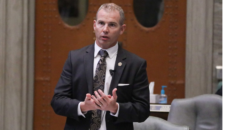
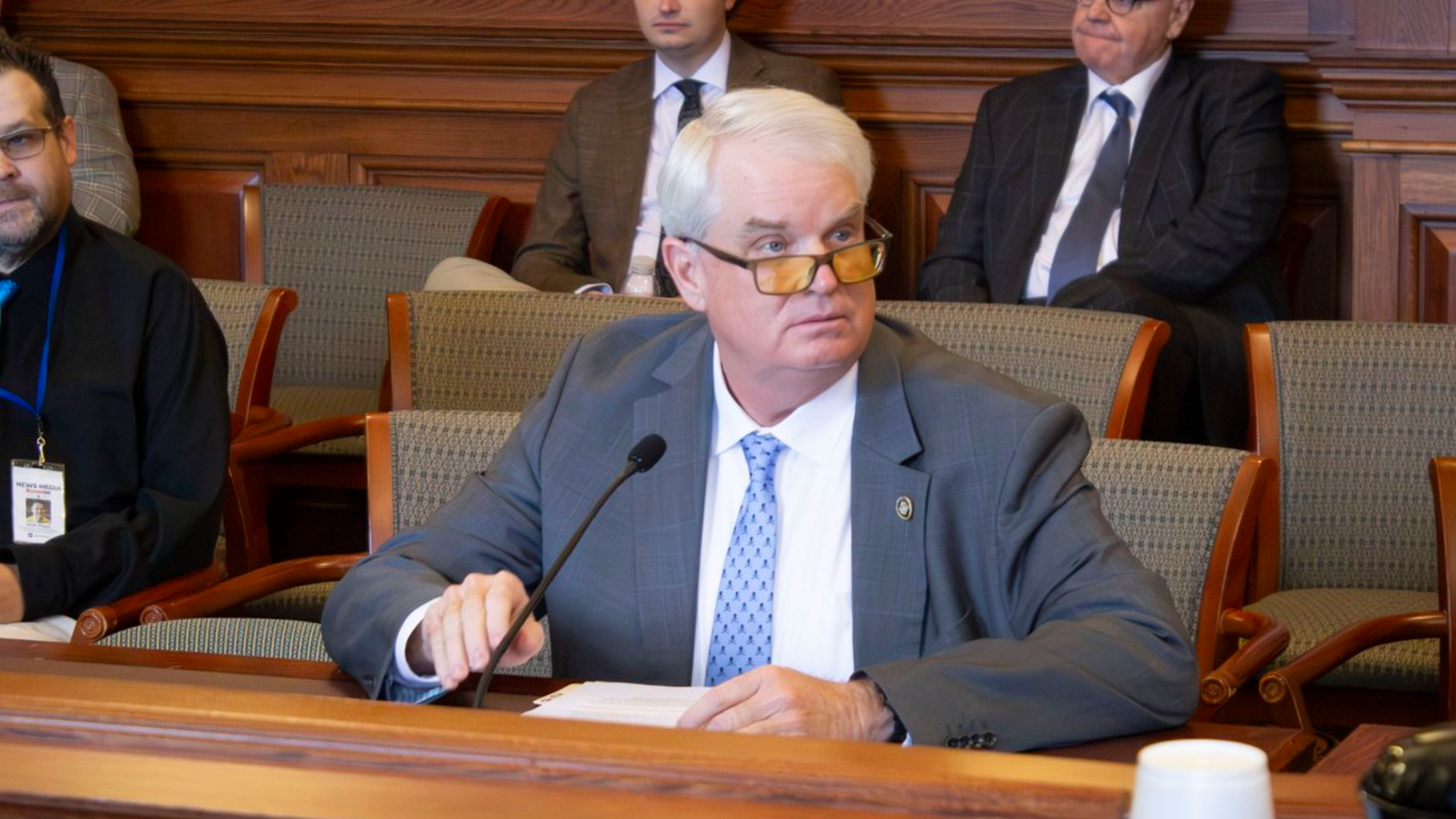
An amicus brief was filed by Sen. Jason Bean and the Missouri Soybean Association in Monsanto Co. v. Durnell, a case arising from a $1.25 million Missouri jury verdict against Monsanto on a failure-to-warn claim involving its Roundup herbicide. The brief argued that glyphosate, Roundup’s active ingredient, was essential to U.S. agriculture and food security.
The litigation centers on the Federal Insecticide, Fungicide, and Rodenticide Act (FIFRA), the federal law that governs the registration, labeling, and sale of pesticides in the United States. Under FIFRA, the Environmental Protection Agency must determine that a pesticide does not pose an “unreasonable risk” to human health before it may be sold. The statute also contains a “uniformity” provision prohibiting states from imposing labeling requirements “in addition to or different from” those required under federal law.
For decades, the EPA repeatedly concluded that glyphosate is “not likely to be carcinogenic to humans” and approved Roundup labels without a cancer warning. The agency reaffirmed that determination even after the International Agency for Research on Cancer classified glyphosate in 2015 as “probably carcinogenic,” stating that its own review relied on a broader and more robust body of scientific evidence. Under FIFRA regulations, manufacturers generally cannot make substantive label changes, including adding new health warnings, without prior EPA approval.
Despite those federal determinations, more than 100,000 lawsuits were filed nationwide alleging that Roundup caused non-Hodgkin’s lymphoma. In Durnell’s case, a Missouri jury found Monsanto liable on a failure-to-warn theory. Monsanto argued that the claim was preempted by FIFRA because EPA had expressly approved labels without a cancer warning and because federal law barred unilateral label changes.
Federal courts are now divided on that question. The Third Circuit held that FIFRA preempts state-law failure-to-warn claims where EPA has repeatedly approved labeling without the warning at issue. The Ninth and Eleventh Circuits, however, concluded that such claims may proceed so long as they “parallel” FIFRA’s general prohibition on misbranding. The Missouri Court of Appeals sided with the latter view, rejecting Monsanto’s preemption argument.
The case drew heightened national attention after the U.S. Supreme Court agreed to review it directly from the Missouri Court of Appeals for the Eastern District, bypassing the Missouri Supreme Court after it denied transfer, a rare procedural move that underscored the significance of the federal preemption question and the existing circuit split.
In their amicus brief, Bean and the Missouri Soybean Association contended that limiting domestic glyphosate production through liability exposure would shift control of a critical agricultural input to foreign manufacturers, particularly in China, potentially jeopardizing the American food supply. The brief also argued that moving production overseas could shield foreign manufacturers from U.S. tort liability, leaving American consumers without meaningful legal recourse.
Joining the brief were President Pro Tem Cindy O’Laughlin, Senate Majority Leader Tony Luetkemeyer, House Majority Leader Alex Riley, Speaker Pro Tem Chad Perkins, Sens. Rusty Black, Justin Brown, Jamie Burger, Kurtis Gregory, Mike Henderson and Curtis Trent, and Reps. Dane Diehl, David Dolan, Sherri Gallick, Willard Haley, Bill Irwin, Doyle Justus, Scott Miller, Mark Nolte, Sean Pouche, Greg Sharpe and John Simmons.
The brief was also backed by a coalition of agricultural organizations representing Missouri’s soy, corn, cotton and rice producers, as well as the Missouri Agribusiness Association, Missouri Pork Association, Missouri Cattlemen’s Association and Missouri Dairy Association.