A Missouri state senator is calling on Attorney General Catherine Hanaway to provide clearer guidance and advance notice to businesses and nonprofits amid ongoing enforcement efforts targeting video gaming machines.
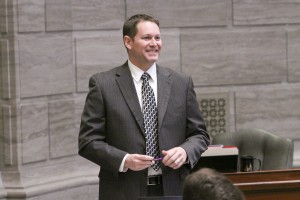
In a March 23 letter, Sen. Curtis Trent said recent enforcement actions by the Attorney General’s office have created “significant confusion” for businesses and charitable organizations that have long operated such machines under the understanding they were not illegal.
Trent noted that prior attorneys general had issued opinions suggesting the machines were permissible, leading many businesses, including convenience stores and restaurants, to offer them without facing penalties. He argued that many operators have acted in good faith and are now at risk due to what he described as an abrupt policy shift.
“As your office begins aggressive enforcement steps… many businesses and individuals across the state are at risk with this abrupt change,” Trent wrote, warning that criminal prosecutions could have serious consequences for those who were not formally notified of the change.
Trent requested that the Attorney General’s office adopt a more measured approach, including providing at least 30 days of written notice before pursuing criminal or civil action. He also raised concerns about reliance on media reports as a form of notice, calling them insufficient for affected businesses.
Trent emphasized that charitable and nonprofit organizations could be particularly impacted, as many rely on revenue generated by the machines to support their operations. He urged the state to notify those groups directly and allow time to comply with any enforcement changes.
The letter comes as lawmakers continue to debate legislation aimed at clarifying the legal status of video gaming machines, which has passed the Missouri House and is currently under consideration in the Senate.
Trent concluded by urging the Attorney General to take steps that would protect “law-abiding and upstanding citizens” from financial harm and legal uncertainty while the state works to resolve longstanding ambiguity around the machines.