Key Points
- The Trump administration backs Bayer and urges the U.S. Supreme Court to review a $1.25 million Roundup verdict in Monsanto v. Durnell.
- Federal preemption is at the center of the case, with U.S. Solicitor General D. John Sauer arguing EPA science should override state failure-to-warn claims.
- Missouri lawmakers are weighing glyphosate legislation as 91% of soybean and 66% of corn farmers rely on the herbicide.
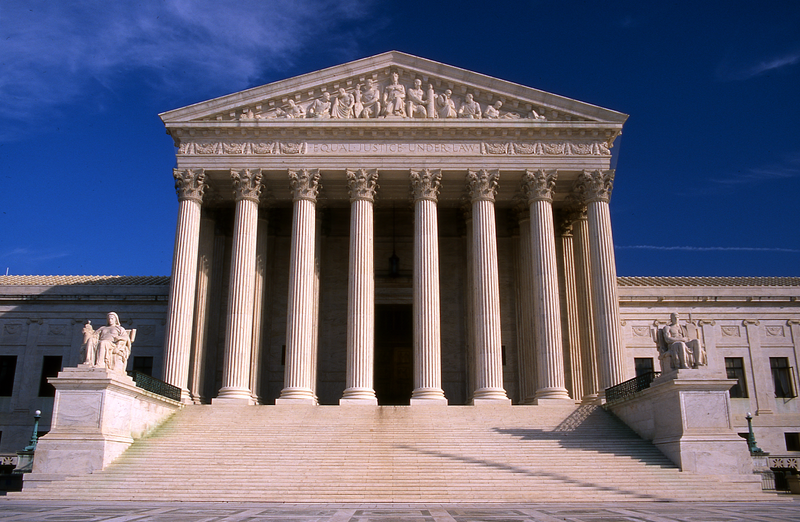
The Trump administration is urging the U.S. Supreme Court to take up Bayer AG’s appeal in a major Roundup case, a move that could reshape tens of thousands of lawsuits and influence policy debates in Missouri, where lawmakers are weighing legislation tied to glyphosate regulation.
In a brief filed with the Court, U.S. Solicitor General D. John Sauer recommended review of a $1.25 million Missouri verdict in Monsanto v. Durnell, arguing that federal pesticide law may preempt state failure-to-warn claims. Sauer said the lower court ruling invites state juries to second-guess EPA determinations.
Sauer noted that the EPA has consistently concluded glyphosate is “not likely to be carcinogenic to humans” and has repeatedly approved labels without cancer warnings. He argued that allowing states to impose different requirements would undermine the federal regulatory system.
The Supreme Court is expected to decide by January whether to hear the appeal.
Missouri Agriculture Deeply Tied to Glyphosate
The legal clash arrives as Missouri lawmakers consider glyphosate-related legislation, an issue with heightened significance due to the federal preemption questions at the center of Bayer’s appeal.
Glyphosate is a cornerstone of Missouri crop production. A study cited in legislative debate found that 91% of Missouri soybean farmers and 66% of corn farmers rely on the herbicide, making it a critical tool for weed control and yield stability.
Producers warn that restrictions or new labeling mandates could raise costs, reduce production, and threaten food security. With rising demand and increasingly resistant weeds, they argue glyphosate remains essential.
While the World Health Organization’s IARC classified glyphosate as “probably carcinogenic to humans” in 2015, the EPA and other federal regulators maintain the chemical does not pose significant risk when used as directed, citing broader scientific analyses.
Missouri Verdicts Add Pressure to Nationwide Litigation
Missouri has become a major battleground in the Roundup saga. In Cole County, a jury recently awarded each plaintiff $500 million in punitive damages, plus tens of millions in compensatory damages — a total of $1.56 billion across three plaintiffs.
Bayer has already paid more than $10 billion to resolve earlier cases but still faces roughly 67,000 pending lawsuits nationwide. The company argues that such rulings conflict with decades of federal regulatory findings.
National Stakes for States, Farmers, and Regulators
The Supreme Court’s decision on Monsanto v. Durnell could shape the regulatory and legal landscape nationwide.
For Missouri, where agriculture is central to the economy, the outcome could influence future crop management practices, regulatory certainty for farmers, and the cost and availability of herbicides. Nationally, the ruling could affect how states navigate chemical regulation, how companies manage risk, and how farmers plan for long-term production stability.
The case is Monsanto v. Durnell (24-1068).