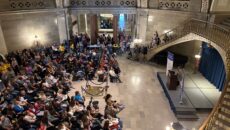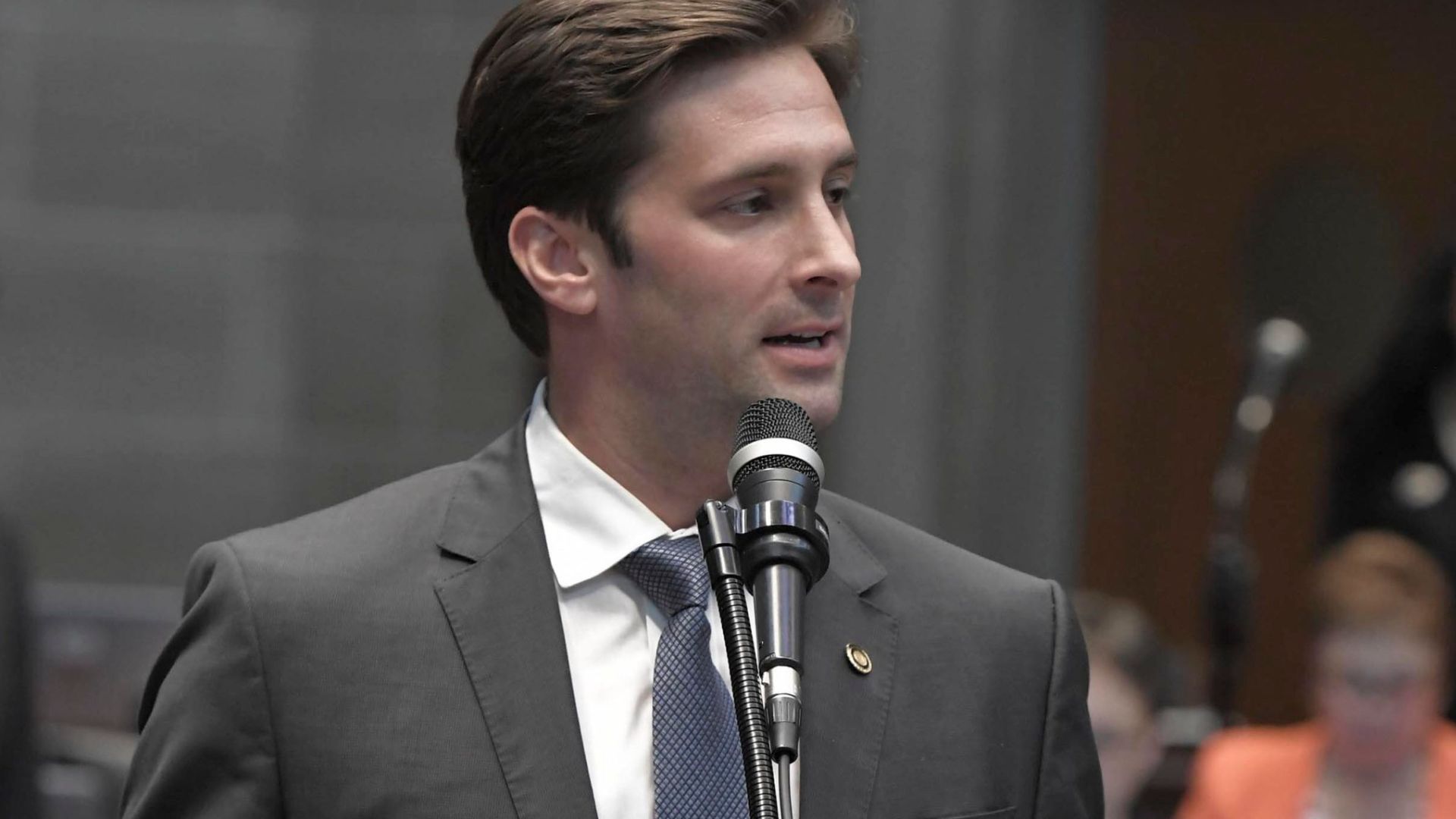
When the Missouri House Crime and Public Safety Committee gaveled in Tuesday, lawmakers took up a debate that had been years in the making.
The Intoxicating Cannabinoid Control Act (ICCA) received a committee hearing just a week into the 2026 legislative session. The early hearing reflected growing bipartisan concern that Missouri was rapidly approaching a regulatory cliff on intoxicating hemp-derived products — one that could leave the state vulnerable if lawmakers failed to act before new federal rules take effect later this year.
The ICCA, sponsored in the House by Rep. Dave Hinman and in the Senate by Sen. David Gregory, is designed to close long-standing loopholes that have allowed highly intoxicating THC products to be sold outside Missouri’s regulated marijuana system. These products, often marketed as “hemp”, are widely available at gas stations, vape shops, and online, frequently without age verification, potency limits, or safety testing.
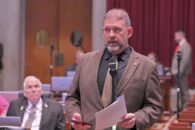
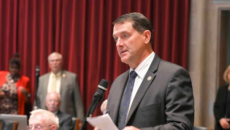
“With the recent decisions made in Washington DC, I have worked to make sure that the bill that I am presenting would codify that language in state statute.” Said Rep. Hinman
The issue traces back to the 2018 federal Farm Bill, which legalized hemp by defining it as cannabis containing no more than 0.3% delta-9 THC by dry weight. While intended to support industrial hemp and CBD production, that definition unintentionally opened the door for chemical manipulation of hemp-derived cannabinoids. Manufacturers soon learned they could convert CBD into delta-8, delta-10, and other synthetic or semi-synthetic THC compounds that deliver the same intoxicating effects as marijuana, but without the legal and regulatory guardrails imposed on licensed cannabis businesses.
For years, states have struggled to respond. Some have banned intoxicating hemp products outright. Others have attempted piecemeal regulations. Missouri, meanwhile, has remained in a gray area, with regulators warning that existing statutes do not provide clear authority to control or remove these products from the market.
However, federal regulators have now stepped in to close the loopholes that enabled this illicit market.
New federal rules are expected to significantly restrict intoxicating hemp-derived products when they take effect in November. But those changes create a new and urgent challenge for states like Missouri: without state-level enforcement mechanisms in place, illegal operators could flood jurisdictions perceived as weak or slow to act.
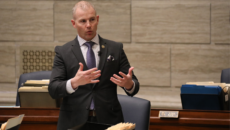
“Without clear state action, Missouri could quickly become a refuge for illegal operators looking to exploit regulatory gaps. This bill puts public safety first and helps ensure that intoxicating products aren’t putting children and families at risk.” Said Sen. Gregory
Supporters of the ICCA argue that the risk is not theoretical. Missouri already sits at the intersection of major interstate corridors, making it attractive for distribution networks. If neighboring states adopt clearer enforcement regimes while Missouri delays, critics warn the state could become a dumping ground for illicit products that no longer comply with federal law — creating headaches for law enforcement, public health officials, and legitimate businesses alike.
The ICCA aims to prevent that outcome by clearly defining intoxicating cannabinoids, aligning state law with federal intent, and giving Missouri regulators the authority they currently lack. Backers emphasize that the bill is not about disrupting legitimate hemp agriculture, or undermining Missouri’s hemp fiber, textile, or cannabidiol (CBD) industries. Instead, they argue the measure is focused on restoring a basic regulatory distinction between lawful hemp production and an unregulated market for intoxicating products that fall well outside the original intent of hemp legalization.
The early committee hearing signals that legislative leaders understand the ticking clock. With federal rules looming and enforcement questions unresolved, Missouri lawmakers face a narrowing window to decide whether they will proactively shape the state’s regulatory framework – or wait and react after problems escalate.
Tuesday’s hearing may not have settled the debate, but it will mark the first major test of whether the General Assembly intends to act before outside forces dictate Missouri’s options.

Jake Kroesen is a Jackson County native and a graduate of the University of Central Missouri. He holds a B.S. in Political Science.