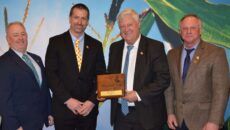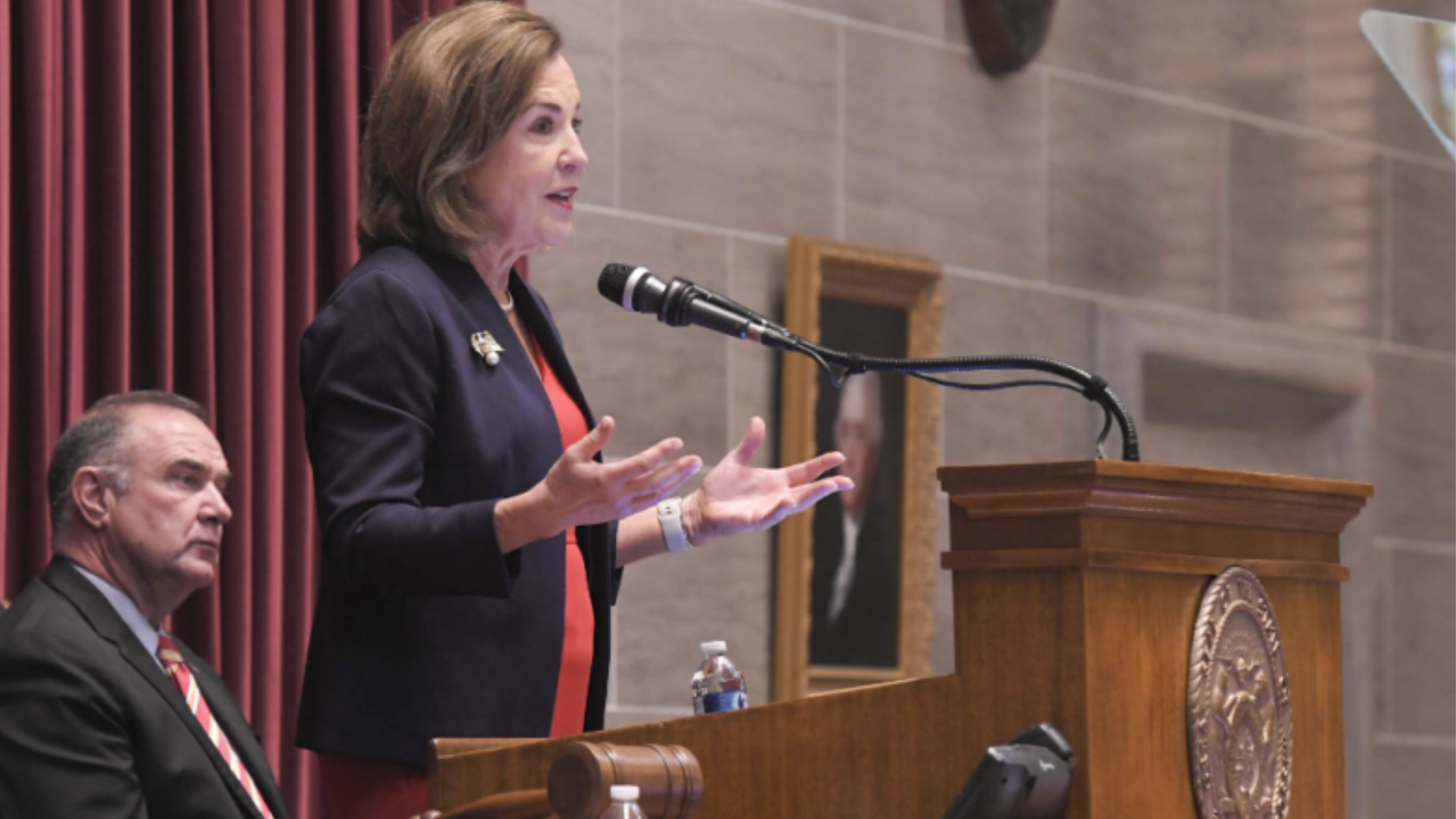
When Missouri Supreme Court Judge Mary Russell stepped onto the stage in Minnesota to accept the Sandra Day O’Connor Award, the National Judicial College’s highest honor, she carried with her more than a distinguished résumé. She carried decades of relationships, road miles, handwritten columns, and quiet moments spent listening in courthouse hallways. The award, named for one of America’s great champions of civic education, seemed almost destined for her.
Judge Russell has twice served as Chief Justice of Missouri’s highest court, guiding the judiciary through years of change with a signature mix of curiosity, innovation, and warmth. But if you ask her what truly drives her, she won’t point to her opinions or administrative decisions. Instead, she talks about people, how they connect, how they disagree, how they find common ground.
“I cannot think of anyone else, not just in Missouri but anywhere, who more closely manifests the spirit of civic education than Judge Russell,” wrote Judge Kelly C. Broniec when nominating her. “It permeates almost everything she does.”
A Tradition of Connection
When Russell first joined the state’s high court in 2004, she quickly recognized that the judiciary’s relationship with the legislature was foundational. Laws and courts, she believed, could not function well in isolation.
So she followed a simple rule: treat others as you want to be treated.
“Everyone comes to service with good intentions,” she often says. “If you follow the Golden Rule, you start off on the right foot.”
The rule sounds quaint, until you see it in action. Russell continued a tradition begun by Missouri’s first female Supreme Court judge: inviting all female legislators to lunch with female judges from around the state. What began in the early 1990s with a handful of women has now grown so large that they can barely squeeze into a courtroom.
“It’s a good problem to have,” Russell said.
She expanded the concept, too, launching a chili dinner and the now-beloved “pie caucus,” where judges and lawmakers mingle informally. One night at her own home, she glanced across the room to see an urban Democrat playing her piano while rural Republican colleagues gathered around, all singing gospel hymns.
“It was a moment of détente,” she recalls. “Sharing a meal makes it hard to stay divided.”
Driving the State—Literally
While Missouri earned national praise for its early adoption of electronic filing, statewide video conferencing, and other court technology, Russell knew innovation can feel like upheaval. Clerks and staff, “the glue that hold us all together,” she calls them, were being asked to do more than ever.
So she got in her car and drove to all 46 judicial circuits in Missouri.
Some clerks expected a white-glove inspection. She delivered something else entirely: appreciation, questions, and the willingness to listen. And when legislators joined her on visits, they, too, heard the concerns, like low jury pay and shortages in juvenile facilities. By the next session, those problems were addressed in law.
A Judge Who Writes for the Public
Not every Supreme Court justice writes monthly newspaper columns. But Russell did. Her pieces, plainspoken, warm, often framed with a story, explained the mysteries of jury duty, grand juries, judicial elections, and more.
“There was no one place people could go to understand how the system works,” she said. “So I wanted to give them one.”
To her surprise, Missourians read them, regularly. So did the press.
Teaching Civics, One Audience at a Time
Russell’s passion for civic education is perhaps her signature. The Missouri Courts’ website now offers 21 ready-made civics presentations, many interactive. And when Russell presents them herself, participants rarely stay in their seats. She asks them to be judges for a day, deciding tricky Fourth Amendment questions or imagining how a statute’s wording can constrain a real-world outcome.
“I want the public to read beyond the headlines,” she explains. “Our hands are often tied. We don’t get to rewrite the law.”
It’s a message she believes the public deserves to hear.
Three Jobs in One
She likes to explain the work of the Missouri Supreme Court in thirds: legal decisions, administrative leadership of the state courts, and outreach, educating the public, the Bar, and lawmakers.
That final third is where she shines most brightly.
A Moment of Recognition
On November 13, at the Appellate Judges Education Institute Summit, Judge Mary Russell accepted the Sandra Day O’Connor Award—a recognition not just of what she has accomplished, but of how she has done it: with grace, with persistence, and always with a belief in the power of connection.
If Justice O’Connor championed civic understanding as the foundation of democracy, then Judge Russell has built a Missouri-sized bridge on that foundation, one lunch, one column, one courthouse visit, and one shared song at a piano at a time.
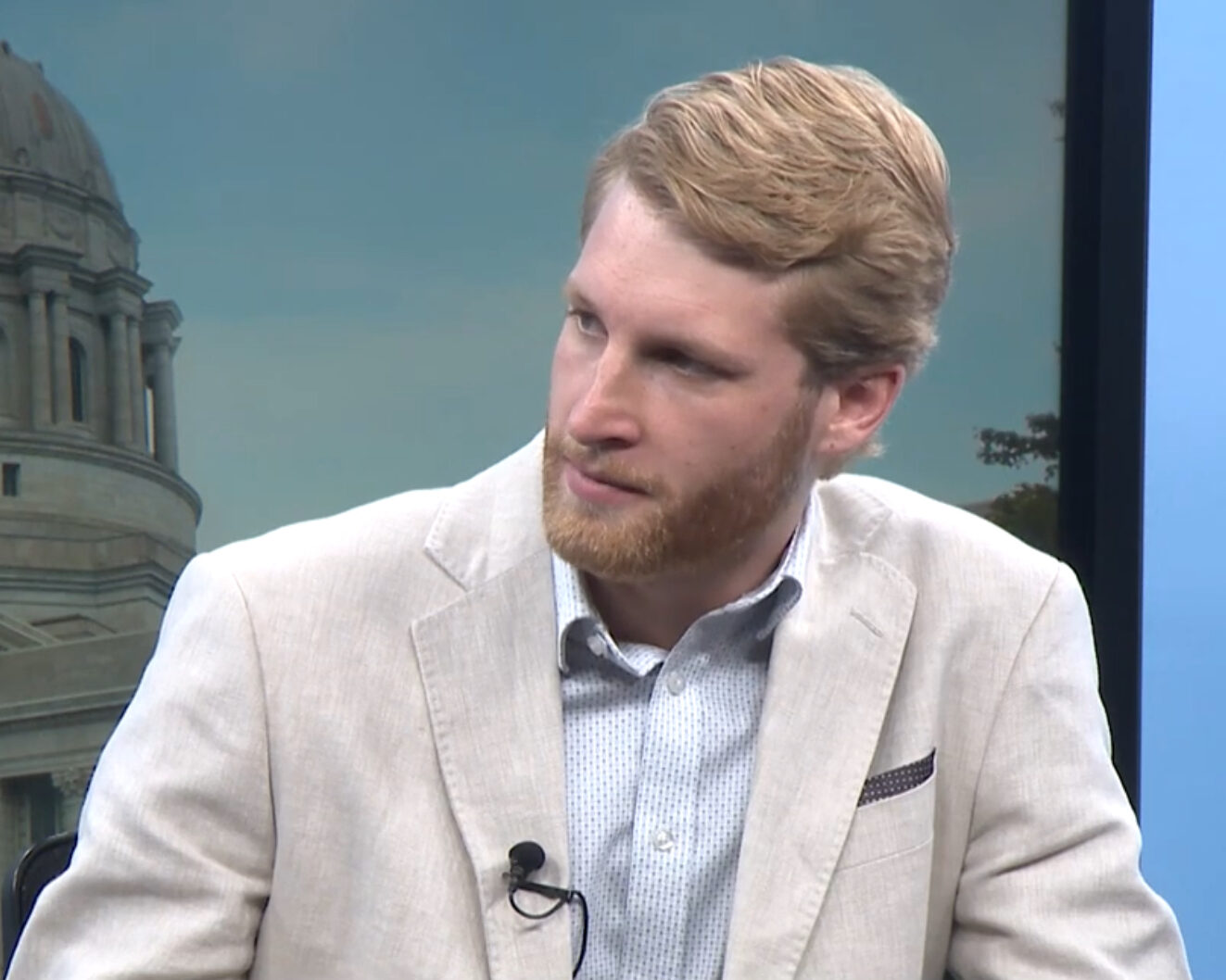
Jake Kroesen is a Jackson County native and a graduate of the University of Central Missouri. He holds a B.S. in Political Science.